
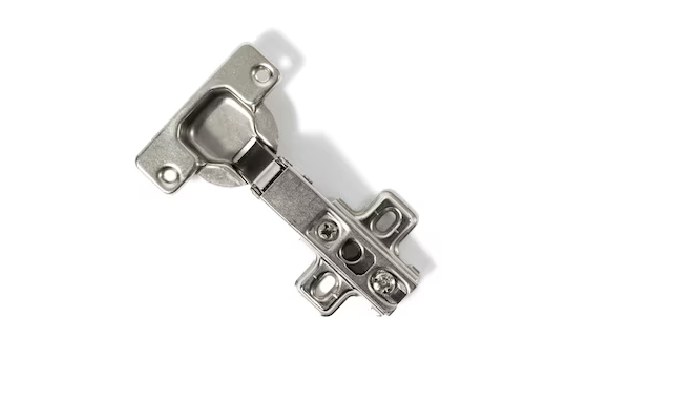
Soft close hinges are a modern marvel in kitchen design, providing a smooth, quiet, and gentle closing action that enhances both functionality and aesthetics. These hinges are especially popular in kitchens where frequent use of cupboard doors is expected. However, just like any mechanical component, kitchen cupboard soft close hinges require proper care and maintenance to function optimally over time. This article will delve into how to maintain and care for these hinges, ensuring their longevity and continued smooth operation.
Understanding Kitchen Cupboard Soft Close Hinges
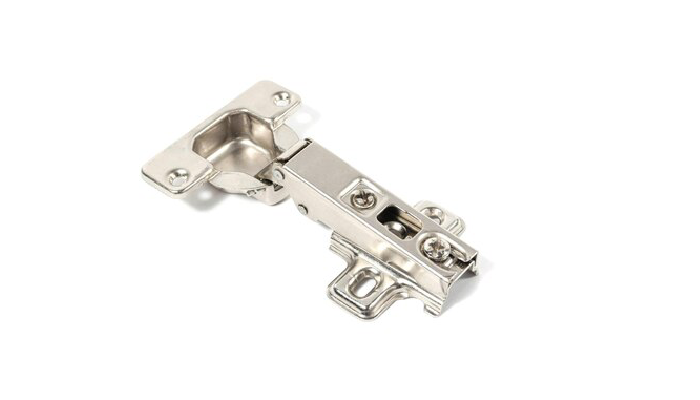
Before diving into maintenance, it's important to understand what makes soft close hinges different from traditional ones. Kitchen cupboard soft close hinges incorporate a dampening mechanism that slows down the door as it closes, preventing it from slamming shut. This mechanism usually consists of a small hydraulic piston or air spring that absorbs the momentum of the door, ensuring it closes softly and quietly. The mechanism not only improves the user experience but also prevents wear and tear on the doors and cabinet frames.
Why Proper Maintenance Is Essential For Soft Close Hinges?
While soft close hinges are designed to last for many years, improper maintenance or neglect can shorten their lifespan and affect their performance. Over time, dirt, dust, grease, and moisture can accumulate in the hinge mechanism, affecting its ability to function smoothly. If not addressed, these issues can lead to the hinge wearing out or even malfunctioning entirely. Regular maintenance helps preserve the integrity of the hinge, ensuring that your kitchen cupboards continue to close quietly and securely for years to come.
Key Maintenance Tips For Kitchen Cupboard Soft Close Hinges
1. Regular Cleaning
One of the most essential tasks in maintaining kitchen cupboard soft close hinges is regular cleaning. Grease, food particles, dust, and other debris can accumulate on the hinges, causing them to operate less smoothly. Cleaning the hinges regularly ensures that they function optimally and reduces the likelihood of wear and tear.
To clean your soft close hinges:
- Wipe with a Soft Cloth: Use a microfiber or soft cloth to wipe down the hinges and surrounding areas. Make sure to remove any dust or food particles that may have gathered around the hinge.
- Use Mild Soap and Water: For more stubborn grime or grease, mix a small amount of mild dish soap with warm water. Dampen the cloth and gently wipe the hinges. Avoid using harsh chemicals that could damage the finish or affect the mechanism.
- Dry Thoroughly: After cleaning, use a dry cloth to wipe down the hinges, ensuring no water or moisture remains, which could potentially cause rust or corrosion.
2. Lubricating The Hinges
Lubricating your kitchen cupboard soft close hinges is an important step in maintaining smooth operation. Over time, the dampening mechanism may become less effective due to friction, and applying lubricant can restore its functionality.
To lubricate your soft close hinges:
- Choose the Right Lubricant: Opt for a lubricant designed for hinges or a silicone-based spray. These lubricants are less likely to attract dust or dirt compared to oils.
- Apply Sparingly: Avoid over-applying lubricant, as excess oil can attract dirt, leading to a buildup that could interfere with the hinge mechanism. Apply a small amount to the moving parts of the hinge.
- Wipe Off Excess: After applying the lubricant, use a clean cloth to wipe away any excess. This ensures that the hinge operates smoothly without any residue interfering with its performance.
3. Check For Tightness And Alignment
Over time, the screws securing the hinges to the cabinet door and frame may loosen, which can cause the door to misalign. This misalignment can affect the performance of the soft close mechanism, causing the door to close too quickly or unevenly.
To maintain proper alignment:
- Inspect the Hinges: Regularly check the hinges to ensure they are properly secured. If any screws appear loose, tighten them with a screwdriver. Be cautious not to overtighten, as this could damage the wood or the hinge.
- Ensure Proper Alignment: Check that the cupboard door is aligned with the cabinet frame. If you notice any misalignment, adjust the hinge screws to correct the position. Most soft close hinges are adjustable, allowing you to fine-tune the door’s positioning for a perfect fit.
4. Avoid Excessive Force
While soft close hinges are designed to handle the everyday demands of opening and closing kitchen cupboard doors, excessive force can cause unnecessary strain on the hinge mechanism. Slamming the doors, opening them too forcefully, or putting weight on the doors can lead to premature wear and tear.
To avoid damaging the hinges:
- Close Doors Gently: Make an effort to close cupboard doors gently, allowing the soft close mechanism to work as intended. Slamming doors may damage the internal components of the hinge.
- Check Door Weight: If you’ve added heavy items or accessories to your kitchen cupboards, ensure that the hinges are rated to support the additional weight. Overloading a cupboard door can put undue stress on the hinge and cause it to malfunction.
5. Address Any Issues Promptly
If you notice any irregularities with your kitchen cupboard soft close hinges, it’s important to address them as soon as possible. Early intervention can prevent further damage and ensure the continued smooth operation of the cupboard doors.
Common signs that your soft close hinges may need attention include:
- Loud or Abrupt Closing: If the doors no longer close quietly or smoothly, it may be a sign that the dampening mechanism needs lubrication or cleaning.
- Misalignment or Binding: If the cupboard doors are misaligned or the hinges are binding, adjust them as needed to restore proper alignment.
- Slow or Non-Functioning Soft Close: If the soft close mechanism is not working as effectively, check for debris or dirt in the hinge and clean it thoroughly. If the issue persists, the hinge may need to be replaced.
When To Replace Your Soft Close Hinges?
Even with the best care and maintenance, there may come a time when the soft close hinges need to be replaced. If the hinges are damaged beyond repair or the soft close mechanism no longer works despite maintenance, it may be time to invest in new hinges.
Before replacing the hinges, ensure that you choose replacements that match the size, style, and functionality of the original hinges. Consult with a professional if you're unsure about the right hinges for your kitchen cupboard doors.
Conclusion
Proper maintenance and care for your kitchen cupboard soft close hinges are essential for ensuring their longevity and continued smooth operation. Regular cleaning, lubrication, alignment checks, and gentle use will keep your hinges working like new for many years. By following these simple maintenance tips, you can enjoy the quiet, soft-closing action of your cupboard doors without worrying about premature wear and tear. Remember, taking a proactive approach to hinge care can save you time, money, and frustration in the long run, ensuring that your kitchen remains a functional and well-maintained space.
Resource URL: