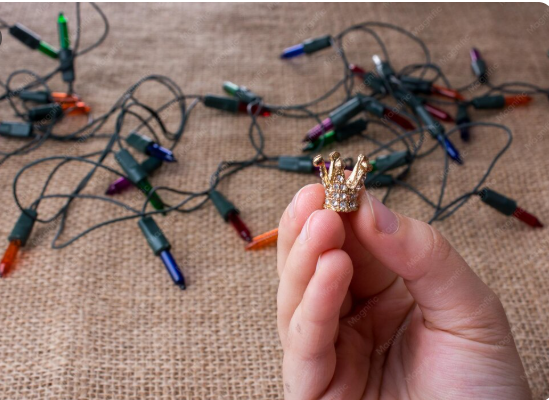
Mini LED lights are compact lighting solutions designed for situations where space, flexibility, and efficient illumination matter. Their small size makes them useful for decorative projects, displays, accent lighting, furniture, crafts, vehicles, and many other applications.
Depending on the design, mini LED lights can be available as individual bulbs, small spotlights, flexible strips, battery-powered lights, RGB lights, and miniature fixtures. Their compact form allows them to fit into areas where conventional lighting may be too large or difficult to install.
What Are Mini LED Lights?
Mini LED lights are small LED-based lighting products designed to provide illumination while taking up minimal space. LEDs are known for their relatively low power consumption, long operating life, and flexibility in design. Miniature versions take advantage of these characteristics while allowing lighting to be incorporated into compact spaces.
Miniature LEDs can be particularly useful for decorative, indicator, and specialty lighting applications where conventional bulbs are impractical.
The term mini LED lights can describe several different products, so it is important to consider the intended application before choosing one.
Why Are Mini LED Lights Popular?
The compact design of mini LEDs is one of their biggest advantages. A small light source can be installed inside a display, under a cabinet, around furniture, or within a DIY project without taking up significant space.
Some common advantages include:
- Compact size
- Low power consumption
- Long operating life
- Low heat output
- Easy installation
- Flexible placement
- Multiple colors and color temperatures
- Decorative and functional applications
LED miniature lights are commonly available in different colors and designs, making them suitable for both practical and decorative purposes.
Types of Mini LED Lights
Mini LED Bulbs
Small bulb-style LEDs can be used where a compact replacement or focused light source is required.
They may be suitable for:
- Small fixtures
- Display cases
- Model projects
- Decorative applications
- Specialty lighting
Mini LED Spotlights
Mini spotlights provide directional illumination rather than spreading light evenly across a large area.
They can be useful for highlighting:
- Artwork
- Shelving
- Collectibles
- Display items
- Architectural features
- Decorative objects
Mini LED Strip Lights
Flexible LED strips can be installed along edges, underneath surfaces, or around curved areas.
They are often used for:
- Cabinet lighting
- Furniture
- Shelving
- Entertainment areas
- Decorative installations
- Accent lighting
Battery-Powered Mini LED Lights
Battery-powered lights are convenient when wiring or electrical outlets are unavailable.
They can be useful for:
- Crafts
- Temporary displays
- Events
- Decorative arrangements
- Portable lighting
- DIY projects
Their lack of a fixed power connection makes them particularly flexible for creative installations.
RGB Mini LED Lights
RGB mini LEDs can produce different colors and are often used where lighting is intended to create a particular atmosphere.
They can be used for:
- Entertainment spaces
- Gaming setups
- Parties
- Decorative displays
- Creative projects
Recessed Mini LED Lights
Recessed miniature fixtures can be installed into ceilings, walls, cabinets, or other surfaces to create a clean appearance.
These lights are useful when the goal is to minimize the visible size of the fixture.
Benefits of Mini LED Lights
Compact Design
The small size of mini LEDs allows them to fit into tight spaces where conventional lights may not work.
This makes them particularly useful for detailed installations and small decorative projects.
Energy Efficiency
LED technology generally requires less electricity than traditional incandescent lighting for comparable illumination. Miniature LED products can therefore be useful when energy consumption is an important consideration.
Long Operating Life
LEDs are designed to operate for long periods, reducing the frequency of replacements compared with many traditional lighting technologies.
However, actual lifespan depends on product quality, operating temperature, electrical conditions, and how the light is used.
Low Heat Output
LEDs generally produce less heat than incandescent bulbs. This can be beneficial when installing lighting close to decorative objects or materials that may be sensitive to heat.
Proper thermal management is still important because excessive heat can reduce LED performance and lifespan.
Flexible Installation
Mini LED lights can be incorporated into many different designs.
Depending on the product, installation may involve:
- Adhesive backing
- Clips
- Screws
- Recessed mounting
- Wiring
- Battery compartments
- Magnetic mounting
The correct installation method depends on the specific product.
Where Can Mini LED Lights Be Used?
Home Lighting
Mini LEDs can add accent lighting to different areas of a home.
Common applications include:
- Kitchen cabinets
- Shelves
- Closets
- Staircases
- Bedrooms
- Entertainment centers
- Display cabinets
Furniture Lighting
Small LEDs can be incorporated into furniture to create subtle illumination.
They can be installed beneath:
- Shelves
- Cabinets
- Tables
- Beds
- Counters
- Storage units
Display Cases
Collectors and retailers can use mini LEDs to highlight products and objects.
Small lights can provide focused illumination without visually overpowering the display.
Crafts and DIY Projects
Mini LEDs are especially popular among hobbyists because they can be incorporated into small-scale projects.
They can be used for:
- Model buildings
- Dioramas
- Handmade decorations
- Costumes
- Miniature displays
- Holiday projects
- Custom signs
Outdoor Applications
Certain mini LED products are designed specifically for outdoor use.
When choosing outdoor lighting, look for an appropriate ingress protection rating and confirm that the product is designed for the expected weather conditions.
Events and Decorations
Battery-powered and RGB mini LEDs can be useful for temporary decorative installations at parties, weddings, exhibitions, and other events.
Mini LED Lights for Accent Lighting
One of the most effective uses for small LEDs is accent lighting.
Rather than illuminating an entire room, accent lighting draws attention to specific features.
For example, a homeowner might install mini LEDs underneath shelves to highlight decorative objects or use small spotlights to illuminate artwork.
This approach can add visual depth without requiring large lighting fixtures.
How to Choose the Right Mini LED Lights
Choosing the right mini LED depends on where and how you plan to use it.
Consider Brightness
Brightness is one of the first specifications to check.
If you need the light for visibility or task lighting, you may require a brighter product. For decorative applications, a softer light may be more appropriate.
Choose the Right Color Temperature
Common white-light options include:
- Warm white
- Neutral white
- Cool white
Warm white can create a comfortable and relaxing atmosphere, while cooler light can provide a cleaner, more energetic appearance.
Check the Power Source
Mini LEDs can be powered through:
- Batteries
- USB
- Low-voltage adapters
- Standard electrical connections
Choose a power source that works with the intended installation.
Look at the Size
Measure the available space before purchasing.
A light that is technically small may still be too large for a particular project.
Consider Dimming
If you want to control brightness, check whether the light and its controller support dimming.
Consider Color Options
If you want decorative flexibility, RGB or multicolor LEDs may be more suitable than single-color products.
Mini LED Lights for DIY Projects
DIY enthusiasts often choose mini LEDs because they can be integrated into creative projects without taking up much space.
For example, a hobbyist could use small lights to create illumination inside a miniature house or model vehicle.
Battery-powered lights are particularly convenient for projects where connecting to a wall outlet would be impractical.
Before installation, plan the position of the lights, power source, wiring, and switch or controller.
Mini LED Lights vs. Traditional Lighting
Mini LEDs can offer several practical advantages compared with traditional miniature incandescent bulbs.
LED technology generally provides:
- Lower energy consumption
- Longer operating life
- Lower heat generation
- Greater design flexibility
- More color choices
However, the right choice depends on the application. A decorative project may have different requirements from a task-lighting installation.
Mini LED Lights vs. LED Strip Lights
Mini LEDs and LED strips are related but serve different purposes.
Mini LED lights are often individual compact fixtures or bulbs that provide localized illumination.
LED strips consist of multiple LEDs mounted along a flexible strip and are generally better suited to continuous lines of accent lighting.
Choose individual mini LEDs when you need specific points of illumination. Choose strips when you want a consistent line or band of light.
Mini LED Lights for Commercial Applications
Businesses can also use miniature LEDs for displays and architectural features.
Potential applications include:
- Retail displays
- Product showcases
- Exhibition booths
- Signage
- Restaurant décor
- Hospitality spaces
- Museum displays
- Office interiors
Because miniature lighting can be integrated discreetly, it can enhance a display without distracting from the product or environment.
Important Installation Considerations
Before installing mini LED lights, consider:
- Available power
- Mounting surface
- Heat management
- Wiring
- Moisture exposure
- Accessibility for maintenance
- Required brightness
- Switch or control requirements
For permanently wired installations, electrical work should be performed according to applicable requirements and by a qualified professional when necessary.
Frequently Asked Questions About Mini LED Lights
1. What are mini LED lights?
Mini LED lights are compact LED lighting products designed for applications where traditional fixtures may be too large or impractical.
2. Are mini LED lights energy efficient?
LED lighting generally uses less energy than traditional incandescent lighting, although actual energy consumption depends on the specific product.
3. Where can mini LED lights be used?
They can be used for homes, displays, furniture, crafts, signage, events, accent lighting, and many specialty applications.
4. Are mini LED lights available in different colors?
Yes. Depending on the product, mini LEDs may be available in single colors, different white color temperatures, or RGB/multicolor versions.
5. Can mini LED lights be battery powered?
Yes. Many miniature lighting products are designed to operate using batteries, making them useful for portable and temporary applications.
6. Can mini LED lights be used outdoors?
Some can, but only products specifically designed and rated for outdoor use should be installed outside.
7. Are mini LEDs suitable for DIY projects?
Yes. Their small size makes them useful for crafts, models, displays, decorations, and other DIY projects.
8. Do mini LED lights produce heat?
LEDs generally produce less heat than incandescent bulbs, but they still generate some heat and require appropriate thermal management.
9. Can mini LED lights be dimmed?
Some products support dimming, but compatibility depends on the light, power supply, controller, and dimmer.
10. What color temperature should I choose?
Warm white is generally suited to comfortable decorative environments, while neutral or cool white may be preferable for clearer task-oriented illumination.
11. Are mini LED lights long-lasting?
LEDs are generally designed for long operating life, although actual lifespan depends on product construction, heat management, electrical conditions, and usage.
12. How do I choose the best mini LED lights?
Consider the intended application, brightness, size, color temperature, power source, installation method, outdoor rating if necessary, and whether you need dimming or color control.
Conclusion
Mini LED lights provide a practical combination of compact size, flexible installation, efficient illumination, and design versatility. From home accents and furniture to crafts, displays, events, and commercial installations, their small footprint allows lighting to be incorporated into spaces where larger fixtures may not be suitable.
The best mini LED light depends on the project. Before choosing one, consider brightness, size, color temperature, power source, installation method, durability, and intended environment. With the right product, even a very small light source can make a noticeable difference to the appearance and functionality of a space.