
Aspen Dental Complaints: What to Know Before You Book an Appointment
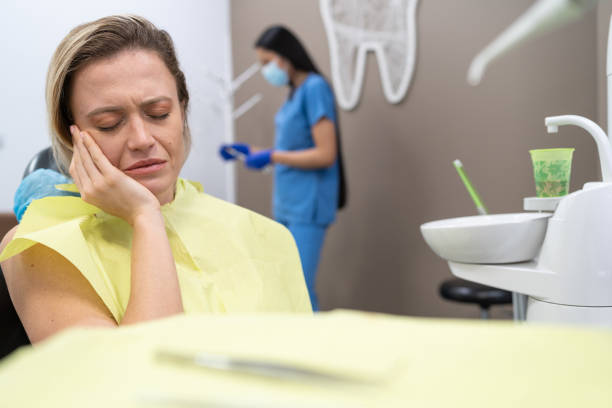
Woman suffering from toothache, sitting in dental chair at the clinic
When researching dental care options, patients often encounter a stark contrast between heavily advertised promotional offers and the reality of online reviews. Aspen Dental operates hundreds of clinics across the United States. While they provide accessible care and emergency appointments, a quick search on consumer protection sites reveals a consistent pattern of patient grievances. We review the real-world data behind these complaints, the legal actions taken by state governments and the specific operational practices patients should understand before scheduling a visit.
The Direct Answer: What Are the Most Common Aspen Dental Complaints?
Based on data aggregated from the Better Business Bureau (BBB) and various patient advocacy forums, the vast majority of Aspen Dental complaints fall into three specific categories: disputed billing practices, aggressive upselling of comprehensive treatment plans and dissatisfaction with the fit or quality of dentures. Patients frequently report arriving for a heavily advertised “free” initial exam only to be presented with a high-pressure sales pitch for thousands of dollars in restorative work and third-party financing.
Understanding the Root of the Complaints: The Corporate Model
To understand why these specific complaints occur so frequently, we must look at how the clinics operate. Aspen Dental is a Dental Support Organization (DSO). Under this model, a corporate entity manages the business operations, marketing targets and financial metrics while licensed dentists perform the clinical work.
This structure heavily incentivizes high patient volume and comprehensive treatment acceptance. Because the office staff has strict revenue goals, the administrative team is trained to present the maximum recommended treatment plan during the very first visit. This creates an environment that many patients describe as feeling more like a high-pressure sales floor than a traditional medical clinic.
Table: Primary Complaint Categories by Volume
While individual clinic performance varies, national consumer protection data shows consistent trends in patient dissatisfaction.
| Complaint Category | Patient Experience Example | Frequency Level |
| Billing & Financing | Unauthorized CareCredit applications, surprise bills for “free” exams | Very High |
| Treatment Upselling | Unexpected diagnoses for deep cleanings or multiple extractions | High |
| Product Quality | Poorly fitting dentures, broken acrylic plates | High |
| Customer Service | Inability to reach local office staff to cancel ongoing treatment | Medium |
The Push for Extensive Treatment Plans
A significant portion of online complaints revolves around the clinical diagnoses new patients receive. Patients frequently visit Aspen Dental for a specific isolated problem like a minor toothache or a chipped tooth. Instead of receiving a quote to fix that single issue, they undergo a full panoramic X-ray and receive a treatment plan that can exceed $5,000.
The most common point of contention is the diagnosis of periodontal disease. Many patients report going in for a routine preventative cleaning and being told they legally require Scaling and Root Planing (a deep cleaning) before the staff will touch their teeth. While periodontal disease is a genuine medical condition that requires extensive treatment, patients often express suspicion when an independent dentist subsequently tells them a standard cleaning would have been sufficient.
Billing Disputes and Third-Party Financing Tactics
The financial onboarding process generates the highest volume of formal complaints filed with the Better Business Bureau. Aspen Dental heavily promotes a free new patient exam and X-rays for individuals without insurance. However, patients frequently report receiving bills in the mail months later for these supposedly free services.
Furthermore, the clinics rely heavily on third-party financing companies to fund their large treatment plans. Office managers routinely present patients with applications for CareCredit during the initial consultation. The primary complaint here involves transparency. Patients state they were rushed through the electronic signing process while still in the dental chair, often while medicated or in pain. They later discover they signed up for a high-interest credit card rather than an internal payment plan. If a patient decides to cancel their treatment, getting those third-party funds refunded from the corporate office can take months of persistent phone calls.
Product Quality Issues with Dentures
Aspen Dental markets itself as a premier provider of fast and affordable dentures. They maintain in-house laboratories to expedite the manufacturing process. Despite this convenience, product quality remains a major source of negative reviews.
Patients frequently report that their dentures do not fit properly after the initial healing period. Complaints often mention severe pain, inability to chew solid food and acrylic plates that crack within the first few months of use. While the clinics offer adjustments, patients note that they are often charged additional fees for hard relines or pushed to upgrade to a much more expensive premium denture tier when the basic tier fails to meet their expectations.
Legal Actions and Attorney General Settlements
These patient complaints are not just anecdotal. The corporate practices of Aspen Dental have triggered multiple high-profile legal actions from state governments across the country.
In 2023, the Massachusetts Attorney General announced a $3.5 million settlement with the company following a multi-year investigation into deceptive advertising. The state found that Aspen Dental routinely charged patients for services explicitly advertised as free. The clinics also falsely advertised that they accepted all insurance plans when they explicitly refused to accept the state Medicaid program. As part of the settlement, the company was forced to return hundreds of thousands of dollars directly to patients who were wrongfully billed for their initial exams.
Similarly, the New York Attorney General previously secured a $450,000 settlement against the company for violating the state prohibition against the corporate practice of dentistry. The investigation revealed that the corporate management side of Aspen Dental was exerting illegal control over the clinical decisions of the dentists, implementing bonus incentives that tied a dentist’s compensation directly to the volume of lucrative procedures they sold to patients.
Actionable Advice Before Your First Visit
If you decide to utilize Aspen Dental for your care, you can protect yourself from the most common pitfalls by maintaining strict control over your financial and clinical decisions. We recommend taking the following preventative steps:
- Verify the “Free” Exam terms: Before sitting in the chair, explicitly ask the front desk to confirm that your specific visit qualifies for the free exam promotion. Ask them to put it in writing on your intake form.
- Do not sign financial documents in the chair: If the office manager presents a treatment plan and a financing application, request a printed copy to take home. Never sign an electronic tablet without reading the full terms of the CareCredit agreement.
- Request a phased approach: If presented with a massive treatment plan, ask the dentist to identify only the absolute most urgent issue. You have the right to decline full-mouth restorations and focus strictly on the tooth causing you immediate pain.
- Get a second opinion on deep cleanings: If you are told you cannot receive a regular cleaning and must pay for a multi-stage periodontal scaling, take your X-rays to an independent local dentist for verification. Under federal law, you own your medical records and the clinic must provide you with a copy upon request.
By understanding the sales-driven nature of the corporate dental model, patients can confidently navigate the consultation process. Recognizing the difference between required medical care and optional upgrades is the most effective way to prevent the billing and treatment disputes that dominate online review platforms.

Hi, I am Cynthia Petrillo was brought into the world in California, Studied at University of Southern California. Fiery to bestow my knowledge to charmed people. I have extensive stretches of inclusion with the field of Business, Health and Information Technology. Beside that, I love to contribute energy with my family.