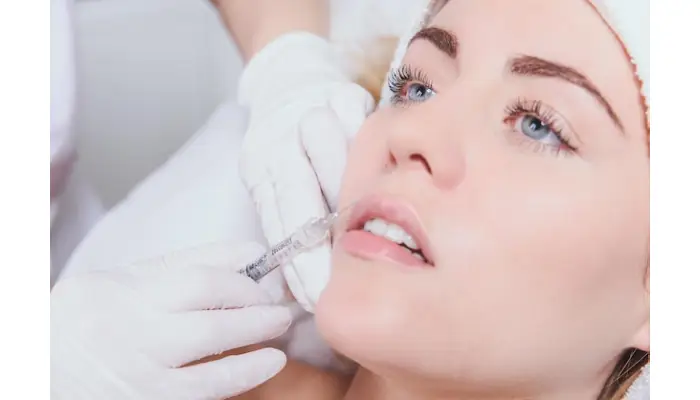
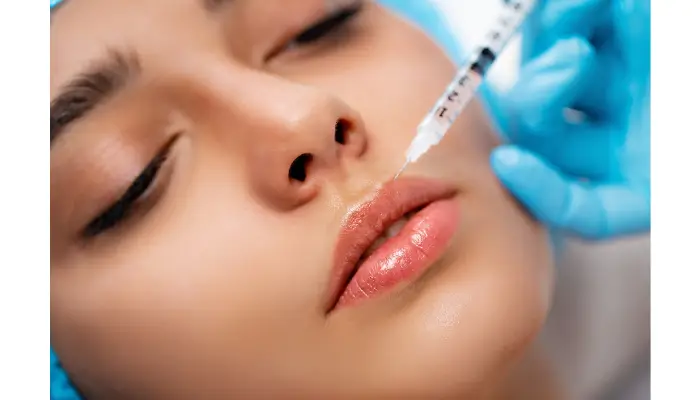
Caring for your lips after filler in Sacramento is important for a smooth recovery. Start by staying hydrated, as water helps the filler integrate properly with your lip tissue. Avoid salty foods to limit swelling and apply ice packs wrapped in cloth for the first two days to manage bruising. Sleep with your head elevated and skip strenuous activities like intense exercise for 24-48 hours post-procedure. Don’t kiss or touch your lips, and wait a couple of days before using straws or makeup. Additionally, keep an eye out for any unusual signs that may require medical attention to ensure everything heals well.
1. Stay Hydrated for Quick Recovery
Staying hydrated is crucial after getting lip filler in Sacramento. Aim to drink at least eight glasses of water daily to help flush out toxins and support your body in recovering. Herbal teas and electrolyte drinks can also provide additional hydration benefits. Be cautious with caffeinated beverages, as they can lead to dehydration, which may hinder your recovery process. Incorporating water-rich foods like cucumbers, watermelon, and oranges into your diet is another great way to keep your hydration levels up.
Using a humidifier at home can help maintain moisture in the air, preventing dryness that could irritate your lips. A simple way to monitor your hydration is by checking the color of your urine; a light yellow color indicates that you are well-hydrated. It's also a good idea to avoid alcohol, as it can dehydrate your body and negatively affect your recovery. To make it easier to stay on track, consider setting reminders on your phone to drink water throughout the day. Lastly, steer clear of diuretics, which can increase urine output and lead to further dehydration.
- Drink at least eight glasses of water daily to help flush out toxins.
- Include herbal teas or electrolyte drinks for added hydration benefits.
- Avoid caffeinated beverages as they can lead to dehydration.
- Eat water-rich foods like cucumbers, watermelon, and oranges.
- Consider using a humidifier at home to keep the air moist and prevent dryness.
- Monitor your urine color; light yellow indicates good hydration.
- Avoid alcohol, as it can dehydrate your body and affect recovery.
- Set reminders on your phone to drink water throughout the day.
- Avoid diuretics that can increase urine output and lead to dehydration.
2. General Aftercare Tips to Follow
Keeping your lips clean is essential to prevent any infection. Gently wash them with mild soap and water, but avoid excessive touching, as this can transfer bacteria. If you need to brush your teeth, use a soft toothbrush to avoid putting pressure on your lips. After 24 hours, applying a gentle, fragrance-free lip balm will help keep your lips moisturized. It's important not to pick at any scabs or bumps that may occur, as this could lead to scarring. If you feel discomfort, consult your doctor before taking any medication. Remember, swelling and bruising are normal and usually subside within a week. Adhere closely to the instructions given by your injector for optimal results. Taking photos of your recovery process can also be helpful to track changes over time.
3. Specific Recommendations Post-Filler
After getting lip fillers, it’s essential to follow specific recommendations to ensure optimal healing and results. First, keep your head elevated while resting. This helps reduce swelling, which is common after the procedure. For the first 48 hours, use a cold compress to soothe any discomfort and minimize bruising. Avoid hot foods and drinks, as they can irritate your lips and may cause unnecessary swelling.
Refrain from any dental work or touch-ups for at least two weeks post-treatment. This is crucial to allow your lips to heal properly without additional stress. Additionally, consider sleeping on your back to prevent pressure on your lips. Activities that may cause excessive sweating, like intense workouts, should be avoided for the first few days.
If you notice any prolonged swelling or unusual symptoms, don't hesitate to contact your healthcare provider. It's vital to monitor your healing process closely. Lastly, if you have any concerns about the appearance of your filler, reach out to your injector for guidance.
4. Timeframes You Should Expect
After getting lip fillers, it's important to understand the typical timeframes you can expect during your recovery. Swelling usually peaks within the first 48 hours, so you may notice your lips looking fuller initially. After that, the swelling should gradually subside. Bruising can also occur and might last up to a week, depending on how your body heals. Within two weeks, most of the filler will have settled, but be aware that slight adjustments may still happen as your lips continue to adjust. For specific fillers, it's a good idea to ask your injector about when to expect the final results, as this can vary. Follow-up appointments are often scheduled around a month later to assess the results. Remember that everyone heals differently, so patience is key. If you feel uncertain about the outcome after two weeks, don’t hesitate to consult your injector for possible adjustments. Typically, touch-ups can be scheduled after six months, depending on how your body metabolizes the filler. Lastly, keep in mind that the skill of your injector and the type of filler used can also influence your results.
5. Important Considerations After Filler
Before getting lip filler, it's vital to discuss any allergies or medical conditions with your injector. This conversation helps ensure that the treatment is safe for you. You should also be aware of potential side effects and complications that might arise after the procedure, like swelling or bruising. Scheduling follow-up visits is essential for monitoring your healing and assessing the results, so make sure to keep those appointments.
Prepare a list of questions to ask your injector about aftercare. Knowledge about the specific type of filler used can greatly enhance your understanding of what to expect during recovery. Throughout the healing process, maintain open communication with your injector, especially if you notice anything unusual. Timing is also key; plan your filler treatment well in advance of any special events or vacations to ensure you have adequate time for recovery.
Lastly, stay informed about any new aftercare products that could promote healing. Being proactive in your aftercare can make a significant difference in your experience and results.
Frequently Asked Questions
1. What should I avoid doing right after getting lip fillers?
You should avoid touching your lips, applying makeup, or drinking through a straw for at least 24 hours after the procedure. This helps prevent irritation and allows the filler to settle properly.
2. How can I reduce swelling after lip fillers?
To reduce swelling, you can apply a cold pack to your lips for short periods, but make sure to wrap it in a cloth to protect your skin. Keeping your head elevated can also help minimize swelling.
3. When can I start using lip balm or other products on my lips?
You should wait at least 24 hours before applying lip balm or any other products on your lips. This gives your lips time to heal and helps avoid any potential issues.
4. Are there any signs of complications I should watch for?
Yes, you should watch for signs like excessive swelling, unusual pain, or any lumps that don't go away after a few days. If you notice these symptoms, it's best to contact your healthcare provider.
5. How long should I wait before rescheduling another lip filler appointment?
It's usually recommended to wait at least 4 to 6 weeks before scheduling another filler appointment. This allows your lips to heal completely and helps ensure the best results.
TL;DR Caring for your lips after filler in Sacramento involves staying hydrated, avoiding salt and strenuous activities, using ice to reduce swelling, and refraining from makeup for 24 hours. Monitor your healing and avoid kissing, straws, and alcohol for a few days. Full recovery may take up to 2 weeks, and final results will be noticeable around 4 weeks after treatment. Consult a certified professional for personalized care.