
Ballet Classes Toronto: What to Look for When Choosing the Right Studio
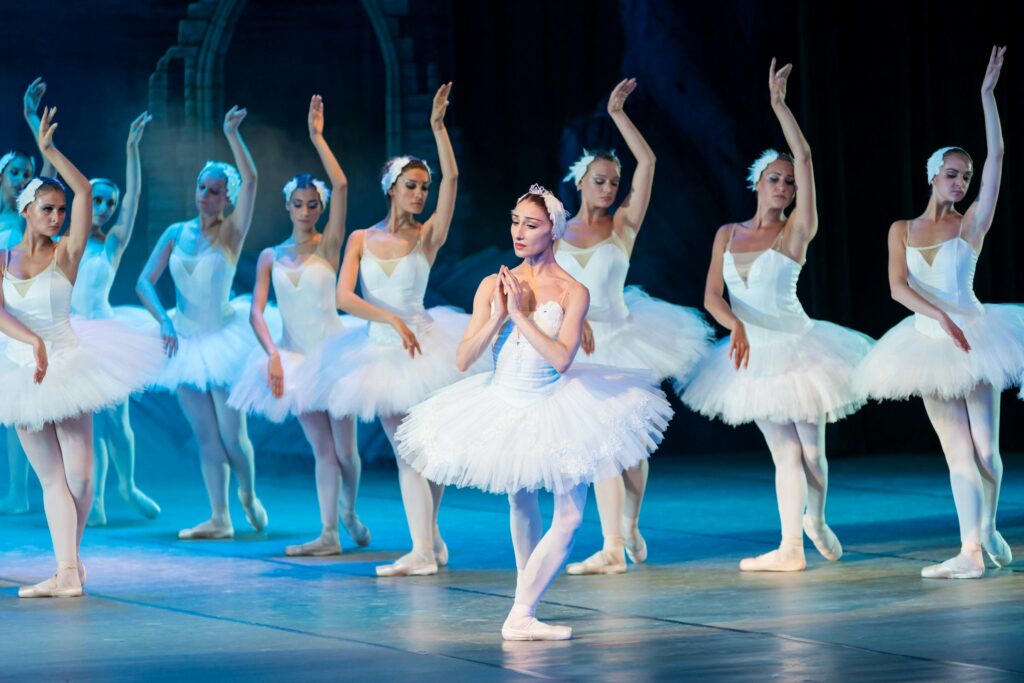
Toronto is home to a rich and diverse dance community, and within it, ballet holds a place of particular prestige. Whether you’re a parent considering formal training for a young child, an adult who has always wanted to explore classical dance, or someone looking to continue training they started years ago, choosing the right ballet school matters enormously.
The decision goes beyond location or price. The right studio shapes not just how a dancer moves, but how they think about artistry, discipline, and growth. Here’s what to look for when searching for the ideal ballet classes in Toronto.
Faculty Credentials and Teaching Approach
The most important factor in any dance school is the quality of its instructors. Look for faculty who hold recognized training qualifications — ideally from organizations such as the Royal Academy of Dance (RAD), Cecchetti, or ADAPT. In Canada, the National Ballet School certification is one of the most respected marks of teaching excellence.
Beyond credentials, pay attention to teaching philosophy. The best ballet teachers for young students prioritize technique, musicality, and enjoyment in equal measure. For adult students, look for instructors who create a supportive, non-judgmental environment where students feel free to progress at their own pace without pressure to perform.
Age-Appropriate Programming
A quality ballet school will offer programming appropriate for every age group, not a one-size-fits-all approach. For young children, creative movement and pre-ballet classes build body awareness, coordination, and a love of music before formal technique is introduced. For school-age children, structured syllabus-based programs provide a clear developmental pathway. For teens, the curriculum should support physical growth while developing artistry and versatility.
For adults entering ballet for the first time — or returning after years away — look for programs specifically designed to meet the needs of adult learners, with attention to flexibility, injury prevention, and the unique motivation that adult students bring to the barre.
Class Size and Individual Attention
Ballet technique is highly individual. A student’s turnout, flexibility, and alignment require personalized attention to develop correctly and safely. Studios that limit class sizes — typically 10 to 16 students for recreational classes — allow instructors to observe and correct each student meaningfully.
Large classes at a low price point can seem attractive, but if instructors are unable to give individual correction, technical bad habits can form early and are difficult to address later. Ask prospective studios about their average class sizes before enrolling.
Safety and Injury Prevention Practices
Ballet places real demands on the body, especially for young dancers going through growth spurts. A responsible studio will prioritize injury prevention through age-appropriate training load, proper warm-up and cool-down practices, and instructors trained to recognize early signs of overuse or alignment issues.
For young dancers interested in pointe work, a reputable school will not introduce pointe shoes before a student is physically ready — typically around age 11 or 12, and only after a thorough assessment of ankle and core strength. Rushing to pointe before the body is ready is one of the most common causes of serious injury in young ballet students.
Recitals, Exams, and Performance Opportunities
Many students and families look to ballet training not only for technique but for the experience of performance. Ask about recital opportunities, whether the studio participates in examinations through recognized syllabi, and whether advanced students have access to competition or audition preparation programs.
For adults, performance pressures are usually less central — but many adult students find that a year-end informal showing or in-studio performance adds a meaningful dimension to their training.
The Bilingual and Multicultural Dance Community
Toronto’s diversity is one of its greatest strengths, and the best ballet schools reflect that. Look for studios that are welcoming to students of all backgrounds, that actively celebrate inclusion, and whose faculty and student body represent the full range of Toronto’s communities.
For students interested in adult ballet lessons in Toronto, finding a studio that offers welcoming, appropriately paced programming for beginners regardless of age, background, or body type is essential. The joy of dance belongs to everyone.
Starting the Journey
Choosing a ballet school is a meaningful decision, and most reputable studios welcome prospective families and adult students to observe a class or schedule a brief introductory meeting before committing. Take advantage of these opportunities. Watch how teachers interact with students. Notice the energy in the room. Ask about their philosophy, their programming, and what they believe makes a ballet education truly excellent.
The best schools will welcome your questions — because they know that an informed student makes a committed, enthusiastic learner.

Hi, I am Cynthia Petrillo was brought into the world in California, Studied at University of Southern California. Fiery to bestow my knowledge to charmed people. I have extensive stretches of inclusion with the field of Business, Health and Information Technology. Beside that, I love to contribute energy with my family.