What Are Architectural Compliance Management Tools and How Can They Help You?

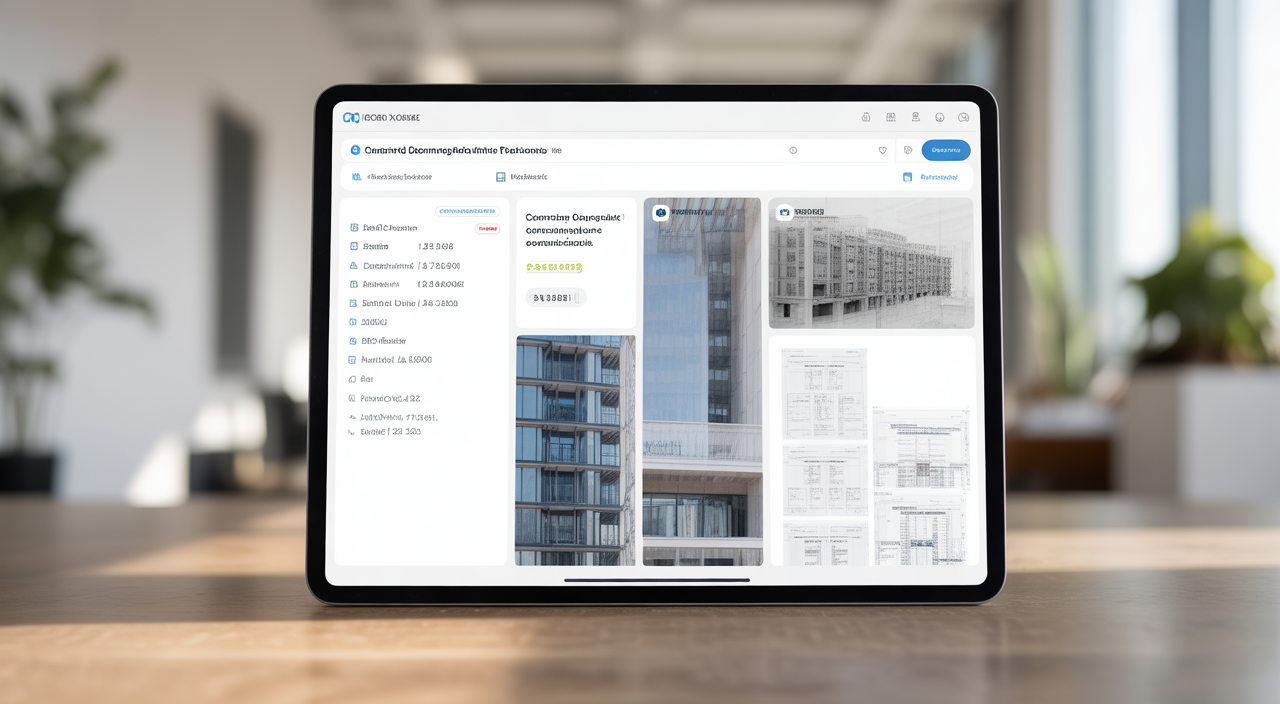
Architects and builders today deal with many rules, codes, and approvals. Keeping track of everything with spreadsheets and emails can be stressful. That is where architectural compliance management tools come in, bringing all your compliance work into one simple system.
These tools are software platforms that help you check designs against building rules, store documents, track approvals, and create reports. For Indian investors and developers, this means faster projects, fewer delays, and better control over risk. You get a clear view of where each project stands on compliance at any time.
In this guide, you will learn what these tools do, which features matter most, and how to choose the right one for your projects and portfolio.
Why Architectural Compliance Management Matters
Every project must follow national building codes, local bye-laws, fire norms, and environmental rules. These regulations keep buildings safe and sustainable. At the same time, they also affect cost, timelines, and return on investment.
When compliance is handled manually, important details can slip through. A missed drawing change, an outdated rule, or a lost approval letter can lead to rework. That rework means higher costs and possible delays in handover or sale.
Good architectural compliance management tools reduce this risk. They bring structure, transparency, and accountability to the whole process, from concept design to occupancy certificate.
Key Benefits for Indian Investors and Developers
For investors, builders, and family offices in India, these tools are not only for architects. They also support better financial and strategic decisions.
- Clear visibility: Track compliance status across all your projects in one dashboard.
- Faster approvals: Well-prepared documents and accurate designs reduce back-and-forth with authorities.
- Controlled risk: Lower chance of penalties, legal disputes, or last-minute design changes.
- Better valuation: Clean, well-documented compliance history can improve the perception of your projects among buyers and lenders.
When you look at it this way, spending on the right software is an investment in smoother cash flows and stronger brand reputation.
Top Features to Look for in Architectural Compliance Software
Different platforms offer different options. Still, a few features are essential if you want a tool that truly supports your team and your investment goals.
1. Centralized Document Repository
Your team should be able to store and find all compliance-related documents in one place. This includes drawings, NOCs, approvals, checklists, and site photos. Version control is important, so everyone works on the latest files.
A central repository avoids confusion and saves time during audits or bank due diligence. You no longer need to dig through email threads or multiple folders.
2. Digital Compliance Checklists
Look for tools that offer digital checklists for building codes and local regulations. These can be customized for each project location, height, use type, and plot conditions.
Digital checklists guide architects and consultants step by step. As each item is marked complete, you build a clear audit trail. This makes it easy to show lenders, buyers, or partners that the project follows all required norms.
3. Integration With Design and Project Systems
Strong architectural compliance management tools connect with design software and project management platforms. This is very useful when your consultants are working with digital models or detailed schedules.
When compliance data, drawings, and site progress talk to each other, your team can spot issues early. For investors, this means fewer surprises during construction and a better handle on overall project timelines.
4. Automated Alerts and Reporting
Compliance tasks often have fixed timelines, like renewals, inspections, or staged approvals. Automated reminders help your team stay ahead of deadlines.
Look for simple reporting features that show you, as an investor or developer, where things stand. A quick weekly or monthly report with key risks and pending actions can support board reviews and banker meetings.
How to Choose the Right Tool for Your Projects
Every firm and investor has a different style of working. The right platform should match your size, project mix, and growth plans. Here is a practical way to choose.
- List your main pain points: Is your biggest issue missing documents, late approvals, or lack of visibility? Rank these problems.
- Start with 2–3 tools: Shortlist platforms that fit your budget and work in your geography.
- Ask for a hands-on demo: Have both your architects and project finance team join. See how real projects would look in the system.
- Check onboarding and support: Good training and quick support matter more than a long feature list.
- Run a pilot on one project: Test the tool on a mid-sized project before rolling it out across your full portfolio.
During the pilot, track simple metrics like approval cycle time, number of revisions, and time spent searching for compliance data. This will help you see if the platform truly delivers value.
How These Tools Improve ROI
Many investors ask whether such software is worth the cost. The answer lies in time saved, rework avoided, and smoother exits.
- Time savings: Faster checks and fewer meetings cut soft costs for consultants and internal teams.
- Reduced rework: Catching code issues early avoids structural or layout changes during construction.
- Better financing: Clear compliance records can support better terms from lenders and investors.
- Stronger brand: When your projects move cleanly from design to completion, brokers and buyers notice.
Even a small percentage saving on a mid- or large-scale project can easily cover the price of the software many times over.
Tips for Smooth Implementation
Introducing a new system is as much about people as it is about technology. A few simple steps can make adoption easier for your teams in India and abroad.
- Start simple: Begin with core features like document storage and basic checklists. Add advanced workflows later.
- Nominate a champion: Choose one person on your team to own the rollout and act as the go-to contact.
- Train by role: Give short, focused training for architects, site teams, and management separately.
- Celebrate quick wins: Share early success stories, such as a faster approval or a risk caught in time.
If you are interested in how digital tools improve compliance in other sectors too, you can explore topics like ensuring marketing compliance processes. This broader view can help you shape your own internal policies and controls.
Are These Tools Right for Smaller Projects?
Many Indian investors first test such software on larger developments. However, even smaller residential or commercial projects can benefit. The effort you put into setting up structured workflows creates a foundation for scale.
As your portfolio grows, you already have a reliable system for handling drawings, approvals, and reports. You do not need to rebuild your processes from scratch each time you enter a new city or segment.
Over time, your team builds a strong knowledge base of local rules and best practices inside the platform. This knowledge becomes an asset just like land or buildings.
FAQs on Architectural Compliance Management Tools
Q1. Are architectural compliance management tools only for very large firms?
No. Large firms gain a lot because they handle many projects and teams. But mid-sized architects, boutique developers, and even single-project SPVs can benefit. When you have clear documents, checklists, and reports, decision making becomes easier at any scale.
Q2. How long does it take to see results after adopting such a tool?
Most teams start seeing benefits within one or two project cycles. The first month often focuses on setup and training. After that, approvals move faster, and your team spends less time on follow-ups. Over a year, the savings in time and rework can be significant.
Q3. Can these tools help during due diligence when selling a project or bringing in investors?
Yes. A structured system allows you to share clean, organized compliance records with buyers, funds, or banks. This builds confidence and can help speed up transactions. Many investors now see strong digital records as a sign of a professional, future-ready developer.
To understand how digital systems transform other business functions as well, you may like reading about modern cloud-based process platforms and how they improve control and visibility across operations.

Hi, I am Cynthia Petrillo was brought into the world in California, Studied at University of Southern California. Fiery to bestow my knowledge to charmed people. I have extensive stretches of inclusion with the field of Business, Health and Information Technology. Beside that, I love to contribute energy with my family.