
Are you looking for smarter ways to manage sediment, sludge, or other materials in water? Traditional dredging can be slow, risky, and costly. It often involves putting people in potentially dangerous environments. But what if there was a better way? What if you could remove unwanted materials with incredible accuracy, greater speed, and improved safety?
The solution lies in advanced technology. The rise of the automated dredge is changing how industries tackle these challenges. These intelligent machines are designed to make your operations smoother and more effective.
This article will explore what an automated dredge is, its many benefits, and why it's becoming the top choice for modern material removal projects worldwide.
What Exactly is an Automated Dredge?
An automated dredge is a specialized piece of equipment designed to remove underwater sediments, sludge, or debris with minimal human intervention. Unlike older, manual dredges, these systems use advanced controls to operate.
Think of it like a smart, underwater vacuum cleaner. Instead of a person directly steering from the machine, an operator can control it from a safe distance. Some systems are even more advanced, capable of following pre-programmed paths or making decisions on their own based on sensor data.
From Remote Control to Smart Operations
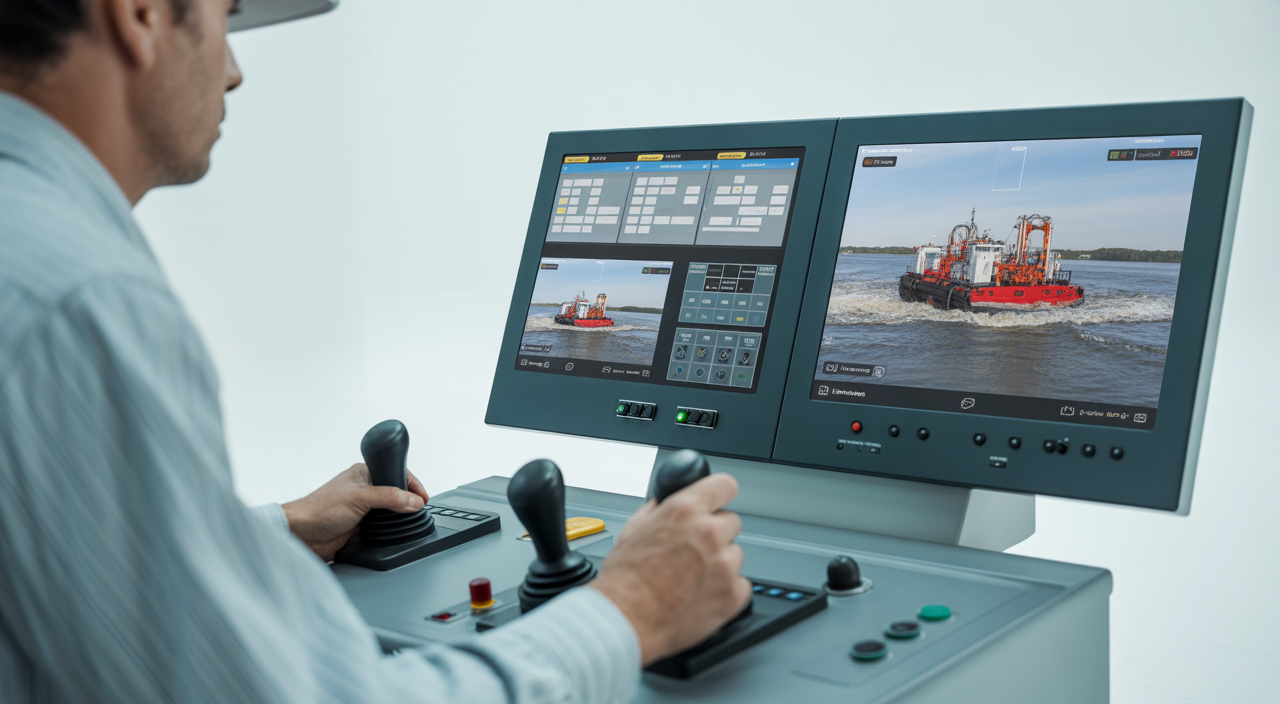
Automation in dredging covers a range of technologies. At one end, you have remote-controlled dredges. An operator uses a control panel, often with live video feeds, to guide the machine. This keeps them out of harm's way.
Further along, some dredges have semi-autonomous features. They can perform specific tasks automatically, like maintaining a constant depth or moving in a straight line. The goal is always to make the process more reliable and less dependent on constant manual input.
Core Components That Make It Work
Automated dredges combine several key parts to get the job done. They have a powerful pump to suck up materials, much like a vacuum. A cutting head or auger might loosen packed sediment. Modern versions include sophisticated control systems, GPS for accurate positioning, and various sensors. These sensors help the dredge "see" what it's doing and where it needs to go. This intelligent setup allows for incredibly precise work.
The Unmatched Advantages of Automated Dredging
Switching to an automated system brings many benefits. It's not just about using new technology. It's about solving real-world problems faced by industries every day.
Enhanced Safety: Taking Humans Out of Harm's Way
Safety is a major concern in any industrial operation. Traditional dredging can be risky. It often requires personnel to be close to heavy machinery or in unstable environments. An automated dredge changes this entirely.
Operators can control the machine from a safe, comfortable location. This reduces their exposure to dangerous conditions, loud noise, and potential accidents. It means fewer safety incidents and a healthier work environment.
Drastic Increases in Efficiency and Productivity
Automated dredges can work consistently without needing breaks. They don't get tired. This means they can complete projects much faster than manual methods. Their consistent operation leads to quicker project completion times and higher material removal rates.
Reduced downtime is another big plus. Automated systems are often designed for robust performance and easier maintenance, meaning they spend more time working and less time idle.
Unrivaled Precision and Accuracy
One of the biggest benefits is the precision these machines offer. With GPS and advanced sensors, an automated dredge can target specific areas with extreme accuracy. It can remove just the right amount of material, avoiding over-dredging or under-dredging. This saves time and resources and minimizes environmental disturbance.
Whether it's clearing a navigation channel or cleaning a sensitive pond, precision matters. Automated systems deliver repeatable, consistent results every time.
Significant Cost Savings and Return on Investment (ROI)
While the initial investment in an automated dredge might seem higher, the long-term cost savings are substantial. You need fewer operators, which reduces labor costs. Many modern automated systems, especially electric ones, also use less energy.
The increased efficiency and faster project completion also mean you save money on operational hours. Over time, these savings lead to a strong return on your investment, making automated dredging a smart financial choice.
Electric Automated Dredges: The Eco-Friendly & Economical Choice
The dredging industry is moving towards more sustainable practices. Electric automated dredges are at the forefront of this shift. They offer significant environmental and economic advantages.
Zero Emissions, Quieter Operations
Unlike diesel-powered machines, electric dredges produce zero direct emissions. This is crucial for operations in environmentally sensitive areas, like drinking water reservoirs or protected wetlands. They also operate much more quietly, reducing noise pollution for nearby communities and wildlife.
This commitment to being eco-friendly helps companies comply with stricter environmental regulations. It also improves their public image as responsible operators.
Reduced Operational Costs: Fuel vs. Electric Power
Electric power is often more stable and less expensive than diesel fuel over the long term. This directly translates into lower daily operating costs. Electric motors also tend to require simpler maintenance than internal combustion engines, further reducing upkeep expenses. These factors make electric automated dredges an economically sound choice for many applications.
Key Applications for Automated Dredge Technology
Automated dredges are incredibly versatile. They are used in a wide range of industries and environments where material removal is critical. From keeping waterways clear to managing industrial waste, their capabilities are vast.
- Industrial Sludge & Sediment Removal: Many factories, wastewater treatment plants, and mining operations deal with large amounts of sludge in their ponds and lagoons. Automated dredges can continuously remove these materials, keeping operations running smoothly.
- Port, Marina, and Canal Maintenance: Keeping navigation channels deep and clear is essential for shipping and recreation. Automated dredges efficiently remove accumulated silt and sand, ensuring safe passage for vessels.
- Environmental Remediation Projects: When contaminated sediments need to be removed from lakes or rivers, precision is key. Automated dredges can carefully extract these materials with minimal disturbance to the surrounding environment.
- Hydroelectric Dam & Reservoir Cleaning: Sediment buildup in reservoirs can reduce water storage capacity and impact power generation. Automated systems can effectively clear these areas, maintaining the efficiency of vital infrastructure.
For operations that require thorough scrutiny and adherence to standards, understanding various industrial inspection techniques is also crucial, ensuring that the work of an automated dredge meets all regulatory requirements.
Choosing the Right Automated Dredge for Your Needs
Selecting the perfect automated dredge depends on your specific project. It's important to consider several factors to ensure you get the most effective solution.
Factors to Consider:
- Project Scope: How large is the area? How much material needs to be removed?
- Material Type: Is it soft sludge, compacted sand, or something else?
- Site Access: Can a large machine easily reach the area, or do you need a compact solution?
- Power Availability: Is electric power readily accessible, or is a self-contained system necessary?
- Environmental Regulations: Are there strict rules about emissions or noise?
For many operations, a compact, remote-controlled, and electric solution offers an ideal blend of power, precision, and environmental responsibility. These machines are often highly maneuverable, easy to deploy, and quiet, making them suitable for a wide range of challenging environments.
Conclusion: Embrace the Future of Dredging with Automation
The world of dredging is evolving. Automated solutions are no longer a luxury; they are becoming a necessity for modern industrial and environmental management. They offer unparalleled safety, efficiency, precision, and cost savings.
By investing in an automated dredge, you are choosing a smarter, safer, and more sustainable way to handle your material removal needs. These technologies help overcome traditional challenges and pave the way for more successful projects. Ready to transform your dredging operations?
To support your overall industrial project needs, remember that efficient waste and material handling is also vital. Services like vacuum truck services can complement dredging by managing extracted liquids and sludges effectively.
Frequently Asked Questions About Automated Dredges
Q1: How much training is needed to operate an automated dredge?
Modern automated dredges are designed for ease of use. While some initial training is always required, the intuitive controls and remote operation mean that operators can learn quickly. They focus more on monitoring the system and less on physically maneuvering heavy machinery.
Q2: Can automated dredges work in very shallow or confined spaces?
Yes, many automated dredges are specifically designed for these challenging environments. Their compact size and precise remote controls allow them to access areas that traditional, larger dredges cannot. Electric models are especially good for sensitive or confined spaces due to their lack of emissions and quieter operation.


