Facial Balancing Before and After: What Results Can You Really Expect?
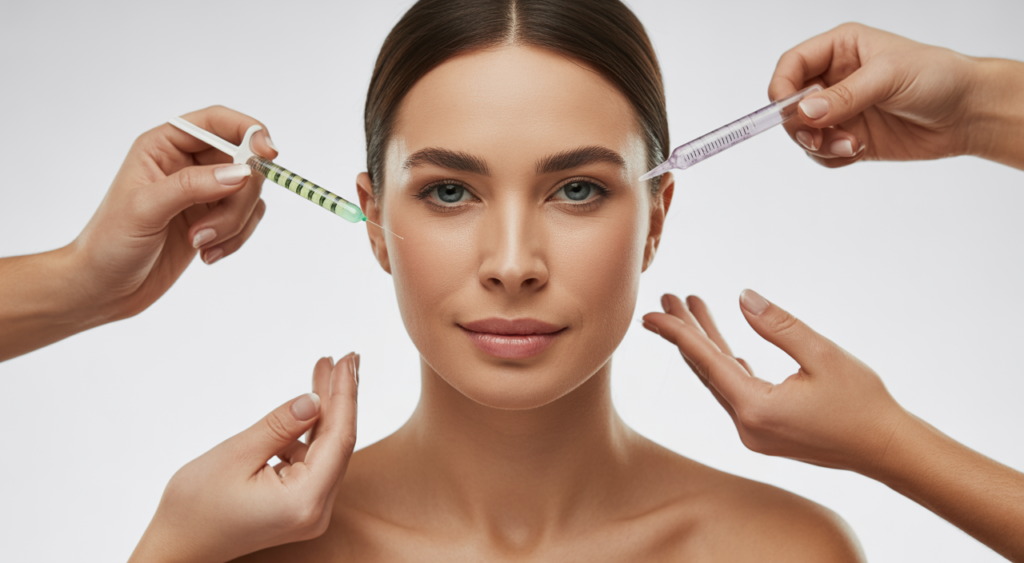
Thinking about facial balancing, but not sure what the real results look like? When you search for facial balancing before and after, you probably want clear examples, simple explanations, and honest expectations.
In this guide, you will learn what facial balancing actually is, how it works, what kind of before and after changes are realistic, and how to decide if it is right for you. The focus is on safe, non-surgical treatments that keep your face looking like you, just more refreshed and harmonized.
Whether you are curious about fillers, wrinkle relaxers, or a full non-surgical facial makeover, this article will help you read any facial balancing before and after photos with a sharp, informed eye.
What Is Facial Balancing?
Facial balancing is a cosmetic approach that looks at your whole face, not just one feature at a time. Instead of only treating lips or cheeks, the goal is to create harmony between the upper, middle, and lower face.
Practitioners often use a mix of dermal fillers and wrinkle-relaxing injections to correct small asymmetries, add gentle volume, and refine contours. This can help with facial symmetry correction without surgery or long downtime.
Done correctly, the result is a natural, well-proportioned look where people see a fresher you, not “work done.”
How Non-Surgical Facial Balancing Works
Non-surgical facial balancing usually combines two main tools. Fillers are gel-like substances placed under the skin to restore volume, support sagging areas, or contour features such as the jawline or chin. Wrinkle-relaxing injections calm overactive muscles that cause lines or pull features out of balance.
By adjusting both volume and muscle activity, practitioners can improve facial symmetry, soften harsh angles, and lift areas that look tired. It is like adjusting both the frame and the canvas of a painting to create a smoother, more pleasing picture.
Sessions are usually done in a clinic setting and can take anywhere from 30 to 90 minutes, depending on how many areas are treated.
Key Areas Commonly Treated
Most facial balancing plans focus on a few core regions of the face. These are chosen based on your unique structure, not a “one size fits all” formula.
- Forehead and brows: Smoothing lines, softening a very low or very high brow, and opening the eye area for a more awake look.
- Cheeks and mid-face: Adding gentle lift and volume to reduce a tired or sunken look, and to support the under-eye area.
- Nose and chin profile: Subtle filler in the nose and chin can improve side-view balance without surgery.
- Jawline: Sharpening the jaw or softening heaviness to create a more defined, youthful contour.
- Lips: Enhancing shape and hydration, not just size, so lips fit naturally with the rest of the face.
Reading Facial Balancing Before and After Photos
When you look at facial balancing before and after results online, it helps to know what to check. Instead of focusing only on one feature, scan the whole face.
Ask yourself a few simple questions. Does the person look like a fresher version of themselves, or like a different person? Are the cheeks, jawline, and chin in better proportion from all angles, especially side-view? Do expressions still look soft and natural?
Good results often seem “quiet” at first glance. The person looks well-rested, confident, and balanced, but nothing jumps out as fake or overdone.
What Results Can You Expect Over Time?
Most patients start to see changes right after the session, especially with fillers. There can be minor swelling for a few days, so the true result usually settles over 1 to 2 weeks.
Wrinkle-relaxing injections often take 3 to 7 days to kick in fully, with peak effect around 2 weeks. This is when your final balance becomes clear in the mirror and in photos.
Fillers can last from 6 to 18 months, depending on the product and area. Wrinkle-relaxing treatments usually last about 3 to 4 months. Many people plan light “maintenance” visits once or twice a year to keep their balanced look.
Benefits of a Whole-Face Approach
A full-face, balanced plan has several advantages over treating one spot at a time. Because the practitioner is looking at your overall proportions, smaller amounts of product can often give better, more natural results.
It also prevents the “overfilled” effect in one area, such as very large lips with a flat mid-face. Instead, a tiny improvement in several zones creates a smooth, harmonious change.
Many people find that this type of natural enhancement boosts confidence, especially in photos and video calls, without drawing attention to any specific procedure.
Smart Tips for Evaluating Clinics and Results
When you explore clinics or online galleries, keep a few practical tips in mind. Look for clear, consistent lighting in before and after photos, similar angles, and neutral expressions. This makes results easier to judge honestly.
Read about the practitioner’s training, how long they have been working with fillers and wrinkle relaxers, and whether they talk openly about safety and realistic outcomes. Honest guidance is a strong trust signal.
For more examples of clear, helpful guides, you can check resources like detailed explanations of cosmetic enhancement options that break down complex treatments into simple terms.
Planning Your Own Facial Balancing Journey
If you are considering treatment, the process usually starts with a consultation. During this visit, you share what bothers you most in photos or in the mirror, and your practitioner studies your face from different angles.
They may suggest a step-by-step plan rather than doing everything at once. This staged approach lets you see how each change affects your balance before adding more.
It can be useful to bring a few of your own photos, including side profiles, to show how your face looks in daily life and in social media pictures.
For more guidance on planning aesthetic upgrades in a structured, confident way, you might like this article on building a glowing skin routine step by step.
FAQs About Facial Balancing Results
How natural will I look after facial balancing?
When done thoughtfully, you should still look like yourself, just more refreshed and proportional. The goal is to gently enhance your existing features, not to change your identity. Most people around you may notice that you look well-rested or “different in a good way” without guessing the exact treatment.
Is facial balancing suitable for all ages?
Facial balancing can help a wide age range. In younger adults, it is often used for contouring and improving facial symmetry. In more mature faces, it focuses on restoring lost volume and softening early signs of aging. Your plan is always customized to your age, skin quality, and goals.
How soon can I return to work or social events?
Most people go back to normal activities the same day or the next day. You might have mild swelling or small bruises, usually easy to cover with makeup after 24 hours if your practitioner agrees. Planning your session a week before major events allows everything to settle beautifully.
Can I combine facial balancing with other skin treatments?
Yes, many people combine facial balancing with treatments like gentle peels, hydrating facials, or laser-based skin refreshers. This can improve both shape and skin texture. Always discuss timing with your practitioner so treatments are spaced safely for the best overall result.

Hi, I am Cynthia Petrillo was brought into the world in California, Studied at University of Southern California. Fiery to bestow my knowledge to charmed people. I have extensive stretches of inclusion with the field of Business, Health and Information Technology. Beside that, I love to contribute energy with my family.