
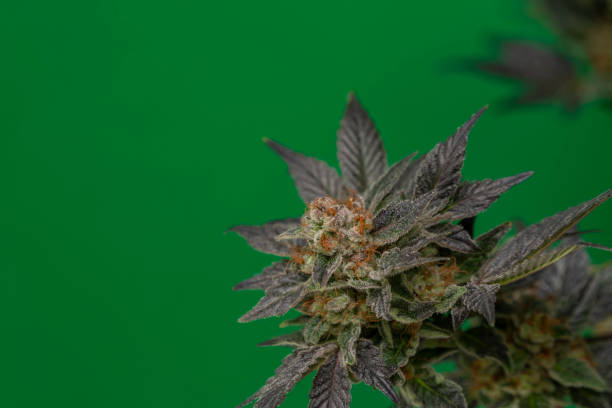
Sampling is an essential part of budtender training for a variety of reasons. Sampling is a valuable tool for budtenders to have a better understanding of the products they are selling and to gain more knowledge about cannabis and its various products. It also helps budtenders become more knowledgeable about the different products so they can better advise their customers. Additionally, sampling allows budtenders to become more familiar with the different flavors and effects of each product, so they can better match customers with the right product. Ultimately, sampling is an essential part of budtender training as it helps budtenders become knowledgeable and experienced in their field, so they can provide customers with the best advice and products possible.
It provides a hands-on learning experience that directly translates to the real-world environment of a dispensary. By sampling different strains, budtender training can not only learn how to properly handle, store, and serve cannabis, but they can also gain an in-depth knowledge of the strain’s effects, aromas, and flavors. Sampling is a key part of the budtender training process and is a great way for budtenders to gain the knowledge and skills necessary to provide excellent customer service.
What Are Sampling And The Different Different Types Of Sampling?
Sampling is the process of selecting a subset of individuals from a larger population in order to study the characteristics of that population. It is a useful technique in research, allowing researchers to make inferences and generalizations about a larger population from the results of a smaller sample. Sampling is used in many different fields, including medicine, sociology, psychology, economics, and marketing. There are several different types of sampling. The most common type is probability sampling, which uses random selection to create a representative sample of the population.
Other types include stratified sampling, which is used to ensure that all strata, or subpopulations, are represented in the sample; systematic sampling, which uses a fixed interval to select individuals from the population; and cluster sampling, which randomly selects groups from the population. Non-probability sampling is also used, often when it is not possible to draw a random sample. This type of sampling is based on convenience, judgment, or quota and is less reliable than probability sampling. No matter what type of sampling is used, it is important that the sample is representative of the population in order to ensure the accuracy of the results.
Why Sampling Is a Necessary Step During Budtender Training?
The sampling step during budtender training is an essential part of the process of educating and familiarizing budtenders with the products they will be selling. Sampling allows budtenders to gain first-hand experience with the products they will be recommending to customers. It is an important part of the training process as it helps budtenders to develop an understanding of the different types of products available, their effects, and the best way to recommend them to customers. By sampling products, budtenders can develop an understanding of the different varieties and strains of cannabis, the varying levels of THC and CBD content, and the different methods of consumption.
They can also learn about the medical benefits of cannabis and how to identify potential risks associated with its use. This knowledge is invaluable when it comes to confidently recommending products to customers, as budtenders can provide more informed advice. Cannabis training also allows budtenders to develop their product knowledge and learn more about the various brands and products they will be selling. This knowledge is essential for providing customers with accurate information and advice regarding the different products. Additionally, sampling helps budtenders to develop a better understanding of quality control.
How Can Small Cannabis-Related Products Increase Your Brand Awareness?
Cannabis-related products have seen a huge surge in popularity in recent years, and the industry is expected to continue to grow exponentially in the coming years. As a small business in this expanding market, it can be difficult to stand out from the competition and increase brand awareness. Luckily, there are a number of ways that you can leverage your cannabis-related products to increase your brand awareness and reach more potential customers.
First, consider implementing a content marketing strategy. Content marketing is a great way to showcase your products and build relationships with potential customers. Create content such as blog posts, infographics, or videos that highlight the unique features of your products. Additionally, you can promote your content through social media, paid to advertise, and email campaigns.
Second, consider leveraging influencers. Influencers are individuals who have a large and engaged following on social media. You can partner with influencers to promote your cannabis-related products to their followers. This is a great way to leverage their existing audience and quickly build brand awareness.
Third, consider attending industry events. Events such as trade shows, conferences, and seminars are great way to showcase your products to potential customers. Additionally, you can network with industry professionals and build relationships that could eventually lead.
What Role Does Consumer Education Play In Ensuring The Quality Of Cannabis Products?
Consumer education is an important tool for ensuring the quality of cannabis products. As the cannabis industry continues to grow, it is essential for consumers to have access to reliable and accurate information about the products they are purchasing. This includes understanding the differences between different types of cannabis products, the potential health risks associated with them, and the best practices for using them safely and responsibly. Consumer education also plays a key role in helping to protect consumers from potentially dangerous or low-quality cannabis products. It is important for consumers to be aware of the various contaminants that can be present in cannabis products, such as pesticides, heavy metals, mold, and bacteria.
These contaminants can have serious health consequences, and it is essential for consumers to understand the risks associated with them. In addition to informing consumers about the potential risks of cannabis products, consumer education can also help to promote the use of high-quality products. Consumers should be aware of the differences between different types of cannabis products, including the difference between recreational and medical marijuana, as well as the various methods of extraction and production used to create these products. Knowing the differences between products can help consumers to make informed choices when selecting cannabis products.
Conclusion:
Through sampling, budtenders can learn more about the different flavors, aromas, and effects of various cannabis strains and products. This knowledge is invaluable when it comes to helping customers make informed decisions. Sampling also helps budtenders gain a better understanding of the industry and its products, making them more knowledgeable and capable of helping customers.