

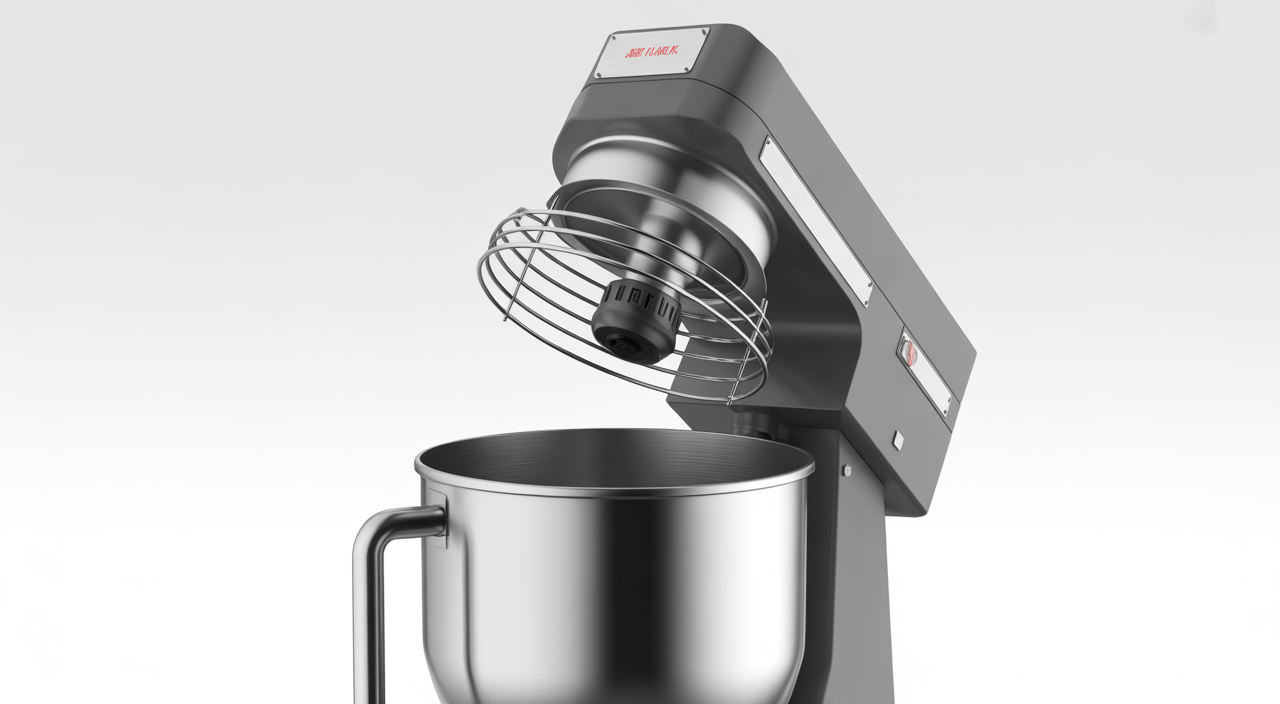
What is a drum mixer blender?
A drum mixer blender is a simple but powerful machine used to mix powders, granules, and small pellets inside a closed drum. Instead of transferring material into a separate tank, you blend directly in the drum itself. This saves handling time, reduces spillage, and keeps your process cleaner and safer.
For many plants, the right drum mixer blender becomes the backbone of consistent batch quality. It helps you get uniform blends with minimum labour, less dust, and faster turnaround. This is especially valuable when you handle many SKUs or short production runs.
If you are planning capacity expansion or a new line, these mixers can also support a smart, modular layout. They work well in continuous improvement programs, because you can scale up by simply adding more drums and mixers instead of building huge fixed tanks.
Key components and design choices
Most drum mixer machines share a few basic parts. There is a frame that holds the drum, a drive system that rotates or tilts it, and safety guards and controls. Some models use a rotary drum blender design, where the entire drum turns. Others use an agitator that dips into the drum.
You can choose fixed units anchored to the floor or mobile trolleys that move across the shop. Food and pharma users often prefer hygienic, stainless steel contact surfaces and smooth, easy-to-clean frames. For solvent-based or dusty chemical products, you may look for explosion-safe motors and controls.
How a drum mixer blender works
The working principle is straightforward. The mixer rotates or tilts the drum so that the material inside tumbles and folds over itself. With every rotation, particles move from top to bottom and side to side, giving you an even powder blending drum effect.
Some mixers use simple tumbling, which is gentle and good for fragile granules. Others add internal baffles or a small agitator shaft for faster, more intense mixing. You can run in pure batch mode, or design your layout so that drums move in a near-continuous sequence, feeding downstream packaging or processing steps.
Where drum mixer blenders are used
These units are common in chemical plants for pigments, minerals, additives, and plastic masterbatches. Here, a batch mixing drum gives you lower cross-contamination risk because each recipe stays in its own drum. It also simplifies colour changes and short runs.
Food and beverage processors use them for dry blends like spice mixes, instant drink powders, and premixes. A food grade drum mixer with proper seals and smooth welds supports hygiene and regulatory needs. In pharmaceuticals and nutraceuticals, a container inverting blender style helps you keep materials contained and traceable while meeting strict cleaning standards.
Top benefits for Indian manufacturers and investors
For Indian plant owners and investors, a drum mixer blender offers three main advantages. First, it improves uniformity, which means fewer quality complaints and rework. Second, it supports flexible, multi-product lines, perfect for contract manufacturing or export-driven business. Third, it can reduce both capital and operating costs when compared to large fixed tank systems.
- Better quality control: Consistent blends, predictable homogeneity, and easier sampling.
- Higher throughput: Fast loading and unloading, simple recipe changes, minimal cleaning downtime.
- Lower total cost: Smaller motors, less structure work, and the ability to reuse existing drums.
How to choose the right drum mixer blender
Start with your capacity and cycle time. Define how many kilograms or litres per batch you need, and how many batches per shift. This will guide drum size, mixer motor rating, and whether you need one unit or a bank of mixers.
Next, look at material behaviour. Free-flowing powders behave differently from sticky or cohesive ones. You may need a barrel mixer with internal fins or a more powerful industrial mixer for tough blends. If you handle flammable solvents or fine organic dust, consider explosion-safe options and certified components.
Finally, consider layout and integration. Check ceiling height, available floor space, and forklift or pallet truck movement. A compact rotary drum blender can sit close to packing lines, cutting travel distance and manual handling.
Cleaning, safety, and compliance
Cleaning is a major concern in food, pharma, and specialty chemicals. Many plants now look for CIP drum mixer features, where you can clean in place with spray balls, sanitary seals, and well-planned drain points. Even if you do not have full CIP, quick access panels and smooth surfaces help you finish changeover faster.
Think about the rules you must meet. Food units should align with hygiene codes and good manufacturing practices. Pharma users need full traceability and easy visual inspection. Chemical plants may require certified enclosures and interlocks in hazardous zones. Clear lockout and guarding policies keep your team safe while maintaining high uptime.
Cost, ROI, and why smart design pays off
When you calculate return on investment, add more than just purchase price. Include labour savings from fewer transfers, lower product loss from spills and dust, and reduced cleaning time. Many users see payback within one to three years because of higher throughput and lower rework.
As an investor, you can improve numbers further by standardising drum sizes across plants and lines. This gives you flexibility to shift capacity between products without new equipment. For more on planning capital projects around packaging and mixing, you may like this guide on key points to check before buying production machinery.
Best practices for installation and operation
Before installation, check foundation strength, power supply, and material flow paths. Make sure operators can access controls, loading points, and safety stops comfortably. A simple checklist and dry run with empty drums helps you address issues early.
During operation, use standard operating procedures for loading sequence, speed settings, and mix time. Simple tools like batch records and visual tags on drums help avoid mix-ups. Regular preventive maintenance on bearings, belts, and seals keeps your powder blender machine running smoothly.
Should you upgrade your existing mixing system?
If your current batch mixer struggles with consistency, long cleaning times, or frequent manual rework, shifting to drum-based blending can be a positive step. It lets you handle more recipes with the same workforce and floor space. Plus, you can scale up in modules instead of a single large investment.
Before you decide, compare trial batches, energy use, and changeover times between your present setup and a proposed drum mixer blender. A simple spreadsheet that adds energy, labour, and material loss per tonne can reveal the true advantage and support a confident decision.
FAQs on drum mixer blenders
Q1. What types of materials are best suited for a drum mixer blender?
A drum mixer blender works best for free-flowing or moderately cohesive powders, granules, and small pellets. Common examples include food premixes, chemical additives, minerals, and nutraceutical blends. Highly wet, sticky, or lumpy materials may need a different style of industrial drum mixer with heavier-duty agitation.
Q2. How long does a typical mixing cycle take?
Cycle time depends on drum size, fill level, and blend complexity, but many plants achieve good homogeneity in 5 to 20 minutes. Simple single-colour or single-flavour recipes are faster, while multi-component, low-dose blends may need longer or higher speed. Running a few trial batches helps you define an optimal, repeatable mixing window.
For more ideas on getting the best performance from production systems, you can explore this overview of building efficient industrial processes and waste plans. It offers useful thinking that pairs well with a well-chosen drum mixer blender strategy.

