
What should you know before choosing Breast Augmentation La Jolla?
If you are thinking about enhancing your shape with breast implants, you are not alone. Many women in and around La Jolla look for fuller, more balanced curves after pregnancy, weight loss, or simply to feel more confident in their own skin. A trusted clinic such as Breast Augmentation La Jolla can guide you from the first conversation to long-term follow up.
This guide walks you through the essentials in clear, simple language. You will learn who makes a good candidate, the types of implants, the recovery timeline, and how cost and financing usually work. By the end, you will know what to ask your surgeon and how to prepare for a smooth, positive experience.
Every woman’s body is unique, so your treatment plan should be tailored to you. Use this information as a starting point, then bring your personal questions to your consultation for detailed advice.
Why choose La Jolla for your breast augmentation?
La Jolla offers a calm, coastal setting that many people find ideal for cosmetic surgery and recovery. Clinics in this area often focus on personalized care, privacy, and natural-looking results. The local medical community is strong, with many board-certified surgeons and advanced surgical facilities.
The lifestyle here supports recovery as well. Patients can rest in peaceful surroundings, enjoy gentle walks when cleared by their surgeon, and access a wide range of wellness services. If you are traveling from another city, you can also combine your procedure with a relaxing stay in a scenic location.
Are you a good candidate?
Breast augmentation is a personal choice, and a good surgeon will always check that it is safe and suitable for you. In general, you may be a candidate if you:
- Are in good overall health without uncontrolled medical conditions
- Do not smoke, or are willing to stop for several weeks before and after surgery
- Have fully developed breasts (usually age 18+ for saline, 22+ for silicone)
- Have realistic expectations about size and shape
- Feel that your current breast size or symmetry affects your confidence
During consultation, your surgeon will review your medical history, any medicines you take, and previous surgeries. They may order basic tests and will examine your breast tissue, skin quality, and chest width to plan implant sizes that suit your frame.
Implant options explained
Silicone vs saline implants
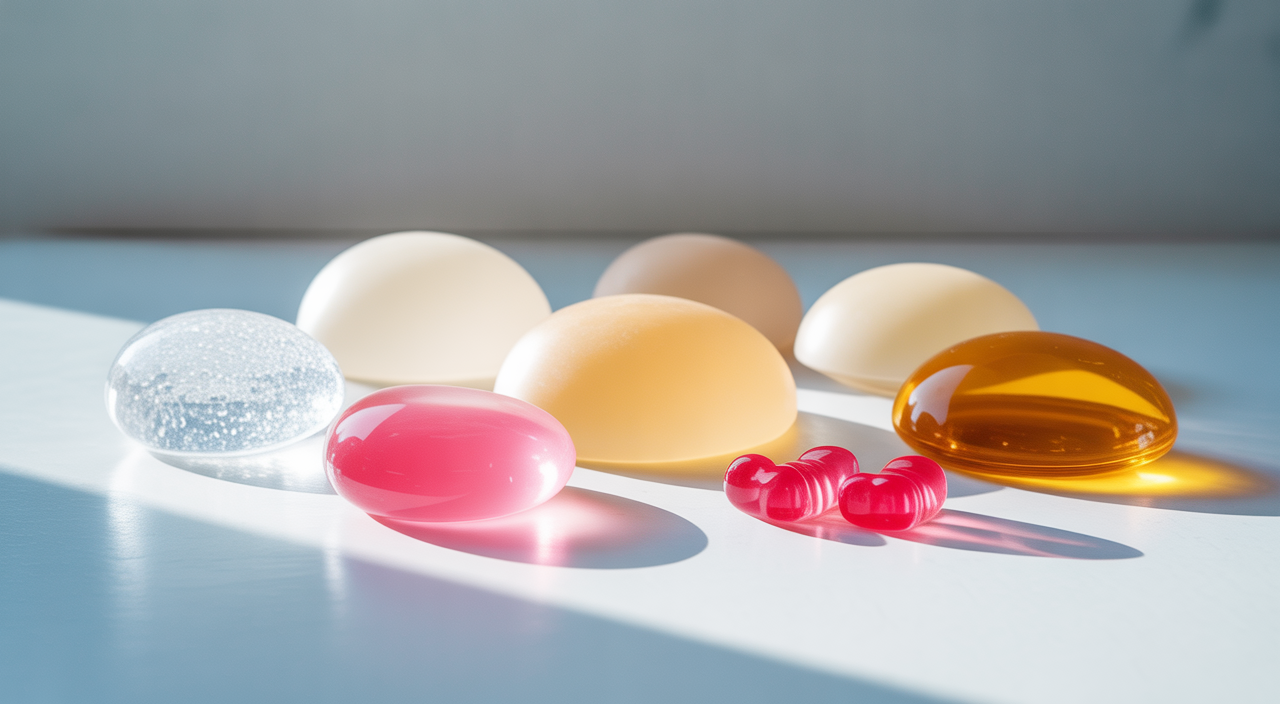
Most women in La Jolla choose between silicone and saline implants. Both are safe and approved, but they feel and behave slightly differently.
- Silicone implants: These are filled with a soft silicone gel that tends to feel closer to natural breast tissue. They are popular for women with less existing breast tissue.
- Saline implants: These are filled with sterile salt water after the shell is placed. The incision can be slightly smaller, and if a leak occurs the saline is absorbed by the body.
Your surgeon will explain which type fits your body, lifestyle, and goals. They will also help you choose from different breast implant sizes so your new shape looks balanced from shoulders to hips.
Gummy bear (form-stable) implants
“Gummy bear” implants are a type of silicone implant made with a thicker, more cohesive gel. When cut, they keep their shape, similar to a gummy candy. Many women like them for their stable shape and gentle slope at the top of the breast.
These implants can be a good choice if you want a very natural, teardrop look and extra firmness. Your surgeon will discuss the pros and cons, including how they behave over time and how they may feel compared to standard silicone gel.
Fat transfer augmentation
For women who prefer a more subtle increase, fat transfer breast augmentation can be an option. In this method, the surgeon gently removes fat from another area of your body such as the abdomen or thighs, purifies it, and then injects it into the breasts.
This approach can improve body contours in two areas at once, but usually offers a smaller size increase than implants. Not all patients are candidates, and more than one session may be needed for the desired result.
Incision types and implant placement
Your surgeon will choose from several incision options, each with its own benefits:
- Inframammary: In the fold under the breast. This allows precise placement and is one of the most common choices.
- Periareolar: Around the edge of the areola, where the color change can help hide the scar.
- Transaxillary: In the natural crease of the armpit, avoiding any incision on the breast itself.
Implants can be placed under the chest muscle (submuscular) or above it but under the glandular tissue (subglandular). Submuscular placement often gives a more natural slope and can help with capsular contracture prevention, while subglandular placement may have a shorter initial recovery. The right choice depends on your anatomy and lifestyle.
What happens during surgery?
On the day of your procedure, you will arrive at the surgical center and meet the team again. After final markings and photos, anesthesia is given so you remain comfortable throughout the operation. Your surgeon then creates the chosen incisions, forms a pocket, and places the selected implant or fat graft.
They will check symmetry, make any fine adjustments, and then close the incisions with layers of sutures. A surgical bra or soft bandage is usually placed to support the new shape as you wake up in the recovery area. Most patients go home the same day with a friend or family member.
Recovery timeline: what to expect
First 72 hours
The first few days are mainly about rest. You may feel tightness, pressure, and some soreness, which your surgeon will manage with prescribed pain relief. Keeping your upper body slightly elevated and following your medicine schedule helps you stay comfortable.
Short, gentle walks around your home are usually encouraged to support circulation. You will also receive clear instructions about caring for your incisions and when to return for your first follow-up visit.
Weeks 1–2: early healing
Most women can return to light desk work within 5 to 7 days, depending on how they feel and their job type. Swelling and bruising start to fade, though your breasts may still sit higher and feel firm. It is important to avoid lifting heavy objects or doing housework that strains the chest and arms.
Your surgeon may allow you to shower after a certain point and will guide you on when to switch from a surgical bra to a supportive sports bra. Continue to sleep on your back unless advised otherwise.
Weeks 3–6: getting back to normal
By week 3, many patients feel much more comfortable and can resume light cardio such as walking on a treadmill. High-impact exercise and weight training for the upper body usually wait until at least 6 weeks, or whenever your surgeon confirms it is safe.
During this time your implants start to “settle,” dropping into a more natural position. Any small changes in sensation often improve gradually. A simple recovery planner or checklist can help you track milestones and questions between visits.
Cost and financing in La Jolla
The cost of Breast Augmentation La Jolla can vary based on the surgeon’s experience, type of implant, facility fees, and whether you combine it with a breast lift. While each clinic sets its own fees, most will give you a detailed quote that includes all main costs such as anesthesia, surgery, implants, and follow-up visits.
Many practices offer payment plans or work with third-party financing to spread the cost into easy monthly installments. Cosmetic augmentation is usually not covered by insurance, but reconstructive procedures after illness or injury may have partial coverage, depending on your policy.
Realistic results and long-term care
Modern techniques focus on natural-looking results that match your body rather than simply going larger. During your consultation, you can review sample photos and discuss what feels right for your lifestyle, clothing choices, and long-term comfort.
Breast implants are long-lasting but not “lifetime” devices. Many women enjoy their results for 10 to 15 years or longer before considering a change due to aging, pregnancy, or personal preference. Regular follow-ups and self-checks help you maintain breast health over time.
FAQs about Breast Augmentation La Jolla
How long do breast implants usually last?
There is no exact expiry date, but many implants remain in good condition for a decade or more. Some women never need a revision, while others choose to adjust size, shape, or lift as their body or taste changes. Regular checkups allow your surgeon to spot any concerns early and advise if and when replacement is needed.
When can I return to full exercise after surgery?
Light walking can start within a few days, and many women return to desk work in about a week. For vigorous exercise such as running, gym workouts, or heavy lifting, most surgeons recommend waiting 4 to 6 weeks. Your exact timeline will depend on your healing progress, so always follow the personal guidance given at your follow-up visits.
Where can I learn more about planning for surgery?
If you like to plan carefully, you may enjoy reading simple guides on preparing for medical procedures and recovery. One helpful example is this article on getting ready for surgery and optimizing your recovery. You can also explore broader health topics, such as supporting your emotional wellbeing during recovery, to feel informed and confident as you take your next step.