

Undergoing a hip replacement is a big step. It can bring relief from chronic pain and restore your mobility. But naturally, you might wonder: What comes next? How long will it take to feel "normal" again? The journey of hip replacement recovery is unique for everyone. However, there are clear steps and expectations that can help you prepare.Our goal is to give you a clear roadmap for what to expect. This guide covers everything from your first steps out of bed to returning to your favorite activities. We want you to feel confident and supported throughout your healing process. You are embarking on a journey towards a more active, pain-free life.
Understanding Your Hip Replacement Recovery Journey: A General Overview
Hip replacement recovery is the process of healing and regaining strength after your surgery. It involves managing pain, engaging in physical therapy, and slowly returning to your daily routine. Think of it as a marathon, not a sprint. Patience and consistent effort are key. A successful hip replacement recovery is a gradual process.Several factors can influence how quickly you recover. Your age, overall health, and commitment to rehabilitation play a big role. The specific surgical approach used can also affect early recovery. Dr. Richard Meyer is dedicated to helping you achieve the best possible outcome. His approach focuses on patient education and personalized care.
The Hip Replacement Recovery Timeline: A Phased Approach
Your recovery will progress in phases. Each phase has its own goals and challenges. Understanding this timeline can help you set realistic expectations for your hip replacement recovery. It will also help you celebrate each milestone along the way.
Immediate Post-Operative Period (Hospital Stay: Days 1-3)
Right after surgery, your focus will be on pain management. Medical staff will monitor your discomfort closely. They will give you appropriate medication. You might also receive nerve blocks to help control pain.Early movement is very important. You will be encouraged to get out of bed and take a few steps with assistance. This usually happens within 24 hours. This early mobilization helps prevent complications like blood clots. It also starts the process of regaining strength. Hospital staff will also begin discussing your discharge plan. This includes preparing your home for a safe return.
Early Home Recovery (Weeks 1-2)
Once you are home, the first two weeks are about resting and gentle movement. You will focus on basic mobility. This includes walking short distances with a walker or crutches. You'll also do simple exercises to prevent stiffness.Managing swelling is important during this time. Elevating your leg and applying ice packs can help. Remember to follow your pain medication schedule. This will keep discomfort under control. If you are looking to optimize your recovery even before surgery, consider learning about pre-operation therapy.
Managing Pain and Discomfort at Home
Pain is a normal part of recovery. You will have prescribed pain medication. Take it as directed. You can also use non-medication methods. These include ice packs, elevation, and gentle positioning. Listen to your body and avoid pushing through severe pain.
Essential Home Modifications for Safety
Preparing your home is crucial. Simple changes can make a big difference in safety. You might need an elevated toilet seat or a shower bench. Grab bars in the bathroom are also very helpful. Remove any tripping hazards like loose rugs. Make sure pathways are clear.
Building Strength and Independence (Weeks 3-6)
During weeks three to six, your physical therapy will intensify. You will work on regaining more strength and range of motion. The goal is to gradually increase your activity levels. You'll start to feel more independent.Many people can resume driving during this period. The exact timing depends on which hip was replaced and your comfort level. Your surgeon or physical therapist will give you specific guidance. Always make sure you can react quickly and safely.
Physical Therapy After Hip Replacement: Your Core Program
Physical therapy (PT) is a cornerstone of recovery. Your therapist will guide you through specific exercises. These exercises help improve flexibility, strength, and balance. Common exercises include heel slides, ankle pumps, and gentle hip movements. Doing your exercises regularly, even at home, is vital for a good outcome.
Progressive Return to Activities (Months 2-6)
As you move past the first few weeks, you'll continue to make progress. Months two to six are about returning to more complex activities and optimizing your hip replacement recovery. You might go back to work, depending on your job. A desk job will be easier to return to than one requiring heavy lifting.You can also start resuming hobbies and light sports. Swimming, cycling, and walking are often good choices. Always check with Dr. Meyer or your physical therapist before starting new activities. They will ensure they are safe for your new hip.
Living Well with Your New Hip
Continuing a healthy lifestyle is important for your long-term hip health. Maintain a balanced diet and stay active. Pay attention to your posture and how you move. Regular follow-up appointments with Dr. Meyer will monitor your progress. They will also address any concerns.
Key Aspects of a Successful Hip Replacement Recovery
A smooth recovery involves several important components. Addressing each of these areas will contribute to your overall success and well-being.
Effective Pain Management Strategies
Managing pain effectively is crucial. This means using a combination of methods. It includes prescribed medications, ice, and proper positioning. The goal is to reduce pain to a manageable level. This allows you to participate in physical therapy. As you heal, you can gradually reduce your reliance on stronger pain relievers.
The Crucial Role of Physical Therapy and Exercise
Physical therapy is not optional; it's essential. Your physical therapist is your guide. They will teach you how to move safely. They will help you rebuild strength and flexibility. Consistency with your exercises, both in therapy and at home, directly impacts your recovery speed and success.
Home Safety and Adaptive Equipment
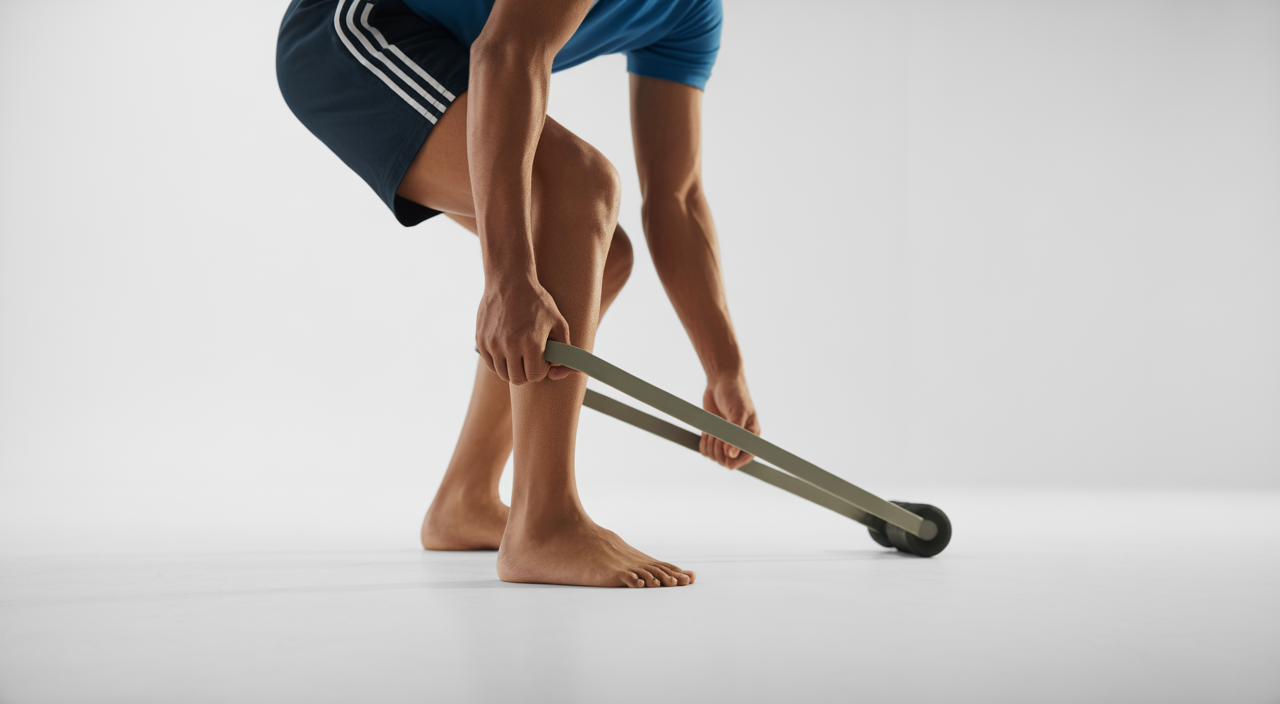
Making your home safe reduces your risk of falls. Falls can be very serious during recovery. Consider renting or buying assistive devices. A walker or crutches will help with mobility. A "reacher" tool can help you pick up items without bending. These tools increase your independence and safety.
Nutrition and Hydration for Optimal Healing
Your body needs proper fuel to heal. A balanced diet rich in protein, vitamins, and minerals supports tissue repair. Staying well-hydrated is also important. It helps prevent constipation, which can be a side effect of pain medication. Focus on whole foods and plenty of water.
Managing Expectations and Emotional Well-being
Recovery can be challenging. It's normal to feel frustrated, anxious, or even a bit down sometimes. This is often called "recovery blues." Be patient with yourself. Rely on your support system of family and friends. If these feelings become overwhelming, talk to Dr. Meyer's team. They can help you find resources to support your mental well-being during this time.
Your Hip Replacement Recovery FAQs Answered
Here are some common questions patients ask about hip replacement recovery:
- How long until I can walk without assistance? Most people can walk with a cane or no assistance within 4-6 weeks. However, this varies. Your physical therapist will advise you.
- When can I sleep on my side after hip replacement? Typically, you can sleep on your operated side after about 6-8 weeks. Use a pillow between your knees. Always check with Dr. Meyer's team for specific guidance based on your surgery.
- Can I climb stairs after hip replacement? Yes, you will learn how to climb stairs safely in physical therapy. "Up with the good, down with the bad" is a common saying to help you remember the technique.
- What are the hip precautions I need to follow? These vary by surgical approach. Common precautions include avoiding bending your hip past 90 degrees, crossing your legs, and twisting your body. Your surgeon will give you a specific list.
When to Contact Dr. Meyer's Office: Recognizing Warning Signs
While complications are rare, it’s important to know when to seek medical attention. Always contact Dr. Meyer's office immediately if you experience any of the following:
- Sudden, severe pain in your hip or leg.
- Fever (over 101°F or 38.3°C).
- Increased redness, swelling, or warmth around the incision site.
- Drainage from your incision.
- Shortness of breath or chest pain.
- Numbness or tingling in your leg or foot.
These could be signs of a complication needing prompt evaluation. Your health and safety are our top priority.
Conclusion: Partnering for Your Best Outcome
Hip replacement surgery offers a chance for a new lease on life. The hip replacement recovery journey requires dedication and patience. By understanding the process, following your care team's instructions, and actively participating in your rehabilitation, you can achieve an excellent outcome.Remember, you are not alone in this journey. Dr. Richard Meyer and his team are here to support you every step of the way. If you have questions about your specific recovery plan or need to schedule a follow-up, please contact our office today. We look forward to helping you regain your mobility and enjoy a pain-free life.